Energy costs remain a major concern for households across Australia, and 2026 is shaping up to be another important year for bill relief. With governments refining how energy savings are delivered, many people are asking a simple question: do Centrelink recipients automatically get help, or can non-Centrelink households also benefit? The answer depends on how support is structured at both federal and state levels. Understanding who qualifies, how savings are applied, and what amounts are likely can help Australians plan ahead and avoid missing out on assistance they’re entitled to.

Centrelink energy bill savings explained for 2026
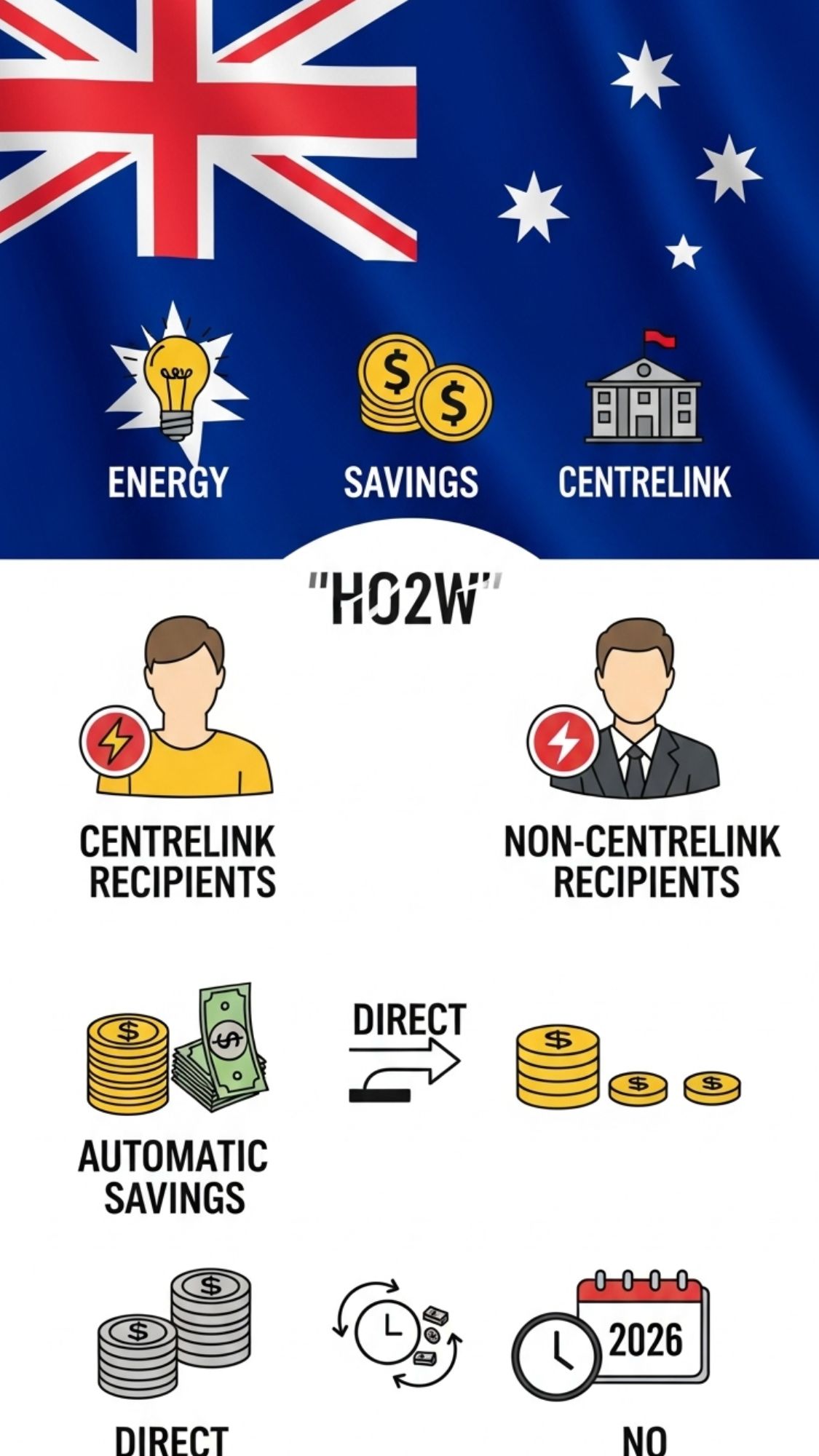
For many Australians, being on Centrelink often means automatic access to energy relief without extra paperwork. In 2026, eligible recipients are expected to receive credits through automatic bill credits applied directly to electricity accounts. This typically includes Age Pension, JobSeeker, Disability Support Pension, and some Family Tax Benefit recipients. The key advantage is no application needed, reducing stress and missed deadlines. These savings are usually funded by federal or state programs designed to provide cost of living relief during periods of high energy prices. For households on fixed incomes, this kind of predictable annual support can make budgeting far easier across the year.


Non-Centrelink households and energy rebates in Australia
Non-Centrelink households are not automatically excluded from energy savings in Australia, but the process is often less straightforward. In 2026, support for these households is more likely to come via state-based schemes or one-off programs requiring action. Many rebates depend on state eligibility rules, income thresholds, or household circumstances. Unlike Centrelink recipients, non-Centrelink users may need to complete manual rebate applications and provide proof of income. While this can feel tedious, successful applicants may still receive meaningful bill reductions. The challenge is awareness—missing announcements can mean missed savings opportunities even when help is technically available.

How much energy bill support people may receive in 2026
The actual dollar value of energy savings in 2026 will vary across Australia, but patterns are already emerging. Centrelink recipients often receive a higher guaranteed amount due to automatic credits layered with state concessions. Non-Centrelink households may see smaller one-off rebates, depending on where they live and household income. Governments design these programs to balance fairness with budget limits, so amounts can differ widely. What matters most is understanding timing, as many credits appear as seasonal bill offsets. Planning around these periods can help households manage cash flow and achieve noticeable annual savings over time.
What this means for Australian households
When comparing Centrelink and non-Centrelink energy support, the real difference lies in simplicity and certainty. Automatic credits offer administrative peace of mind, while application-based rebates reward those who stay informed. In 2026, Australians who actively check eligibility will be better placed to benefit, regardless of income source. Energy relief is increasingly designed as a shared safety net, not just a welfare add-on. By understanding how programs work, households can align their budgets with expected credits and make smarter financial decisions even as energy costs continue to fluctuate.

| Household Type | How Savings Are Applied | Typical Support Level |
|---|---|---|
| Centrelink recipients | Automatic bill credit | Medium to high annual relief |
| Low-income non-Centrelink | Application-based rebate | Moderate one-off support |
| General households | State or federal programs | Limited or conditional |
| Pension concession holders | Linked to concession status | Consistent yearly savings |
Frequently Asked Questions (FAQs)
1. Do Centrelink recipients need to apply for energy savings?
In most cases, eligible Centrelink recipients receive energy credits automatically.
2. Can non-Centrelink households still get energy bill help?
Yes, but support usually requires meeting income rules and submitting an application.
3. Will energy savings be the same across all states?
No, amounts and rules vary depending on state and territory programs.
4. When will 2026 energy bill credits appear?
Most credits are expected to show on bills during key billing periods in 2026.