Australian motorists are bracing for higher fuel costs as petrol prices are expected to climb again in December 2025. Across Australia, global oil movements, a weaker dollar, and seasonal demand are combining to push prices upward just as households prepare for the busy summer travel period. For many drivers, this increase will be felt immediately at the bowser, affecting daily commutes, holiday road trips, and overall household budgets. Understanding what is driving the rise and how much more Aussies may pay per litre can help motorists plan ahead and reduce the sting.
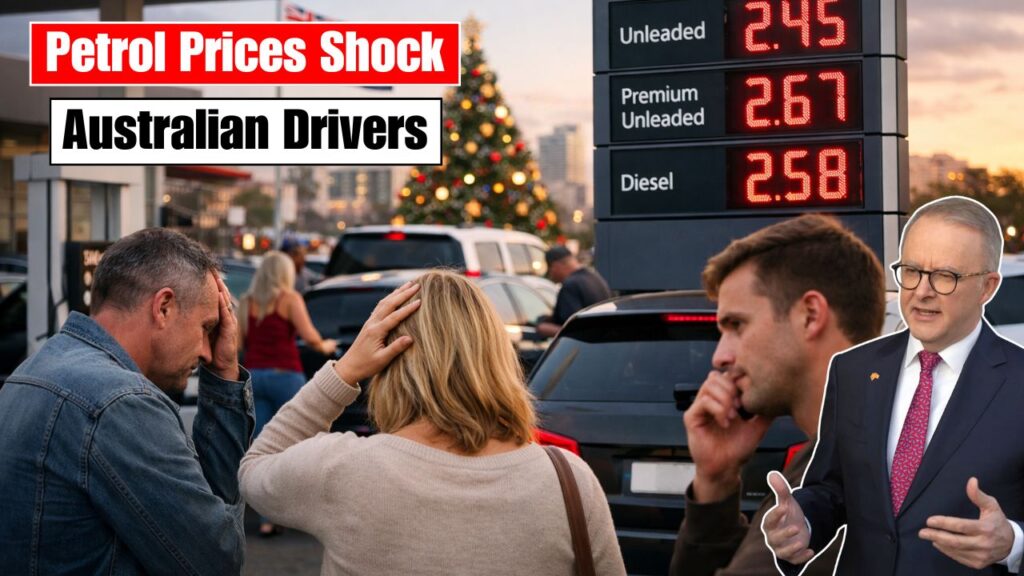
Petrol prices rising across Australia in December
Fuel analysts say the December increase is largely tied to global oil trends, with crude prices edging higher due to supply pressures and strong international demand. At the same time, currency pressure from the Australian dollar has made imported fuel more expensive. Refinery maintenance in parts of Asia has also reduced supply, adding to regional supply strain. For Australian motorists, these factors combine into a noticeable lift at the pump. While prices vary by state, city drivers are already seeing early price signals, and regional areas may follow quickly as distribution costs rise.


How much Australians may pay per litre
By December, average unleaded petrol prices are expected to sit between $2.05 and $2.20 per litre in major cities. This reflects projected price bands based on wholesale costs and retail margins. Premium fuels could climb even higher, creating premium fuel gap concerns for drivers of newer vehicles. Rural areas may see slightly lower base prices, but transport cost impact often narrows the difference. For households, even a small rise per litre can add up over a month, especially with holiday travel surge increasing fuel consumption.

Why December fuel costs hit households harder
December fuel hikes tend to feel sharper because they coincide with higher spending elsewhere. Families already face seasonal expense pressure from holidays, gifts, and travel. Add in rising petrol prices, and budgets tighten quickly. Commuters who rely on cars daily face weekly cost creep, while businesses absorb delivery fuel increases that may later flow into retail prices. For many Australians, fuel is unavoidable, making limited alternatives a real challenge until prices stabilise in the new year.
Summary or Analysis
The December 2025 petrol price rise highlights how closely Australian fuel costs track global and local forces. With market volatility remaining high, drivers should expect ongoing fluctuations rather than quick relief. Planning refuelling around price cycles, reducing unnecessary trips, and considering fuel-efficient driving can help ease the impact. While no single factor is to blame, the mix of oil prices, currency shifts, and demand shows why price resilience is limited. For now, awareness and preparation remain the best tools for coping with higher pump costs.
| Region | Estimated December Price (per litre) | Key Influence |
|---|---|---|
| Major Cities | $2.05 – $2.20 | Wholesale fuel costs |
| Regional Areas | $1.95 – $2.10 | Transport expenses |
| Premium Unleaded | $2.20 – $2.35 | Higher refining costs |
| Diesel | $2.00 – $2.15 | Global demand |
Frequently Asked Questions (FAQs)
1. Why are petrol prices rising in December 2025?
Higher global oil prices, a weaker dollar, and seasonal demand are pushing costs up.
 Super Alert: Government May Use Your Superannuation – What Aussie Retirees Must Know in 2025
2. Will prices be the same across Australia?
No, prices vary by state and region due to transport and retail factors.
3. Are diesel prices also increasing?
Yes, diesel is expected to rise due to strong international demand.
4. Can prices drop again after December?
They may ease in early 2026 if global oil and currency pressures soften.