Australian motorists are facing a major shift as December 2025 ushers in sweeping changes to traffic laws across the country. From tougher fines to zero-tolerance drink-driving rules, the new nationwide framework is designed to curb dangerous behaviour and improve road safety. Authorities say these reforms respond to rising accident statistics and public concern, meaning drivers in every state and territory must adjust quickly. Whether you commute daily or drive occasionally, understanding what’s changing — and why — will be crucial to avoid unexpected penalties and legal trouble.

New Nationwide Traffic Fines Reshape Australian Driving Rules
The updated traffic fines coming into force across Australia represent a sharp reset for everyday drivers. Penalties for speeding, mobile phone use, and seatbelt violations are increasing, with authorities stressing higher base fines, uniform penalties nationwide, and reduced warning leniency. Unlike previous state-based differences, the goal is consistency, so motorists face similar consequences wherever they drive. Repeat offenders may encounter escalating penalty tiers that include licence suspensions. Officials argue the tougher approach targets habitual risky behaviour rather than minor mistakes, but many drivers worry the changes could hit household budgets hard, especially during peak holiday travel periods.

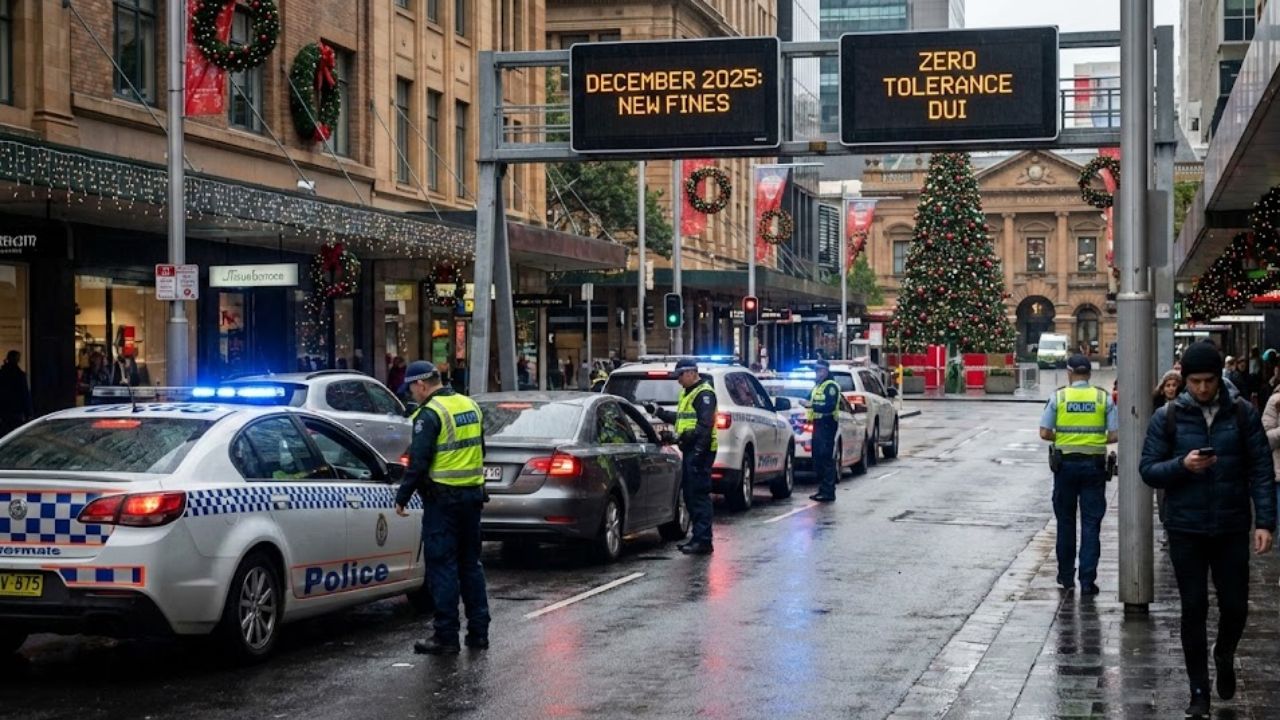
Zero-Tolerance DUI Rules Signal Tougher Australia Road Safety Push
Perhaps the most controversial update is the introduction of strict zero-tolerance drink-driving rules in several scenarios. Under the new framework, certain drivers will face absolute alcohol limits, immediate roadside penalties, and automatic licence loss even at very low readings. Authorities are also expanding random testing, backed by expanded police powers during night and holiday operations. Supporters argue this removes ambiguity and saves lives, while critics say it leaves no margin for error. Either way, drivers are being urged to plan transport in advance and avoid any alcohol if they intend to drive.
 $180 Centrelink Cash Boost Still Unclaimed by 300,000 Australians — Check Before It’s Too Late
Hefty Penalties Incoming for Repeat and High-Risk Offences
Beyond fines and DUI rules, the reforms introduce significantly tougher consequences for repeat and high-risk offences. These include longer suspension periods, mandatory safety programs, and vehicle impound measures for dangerous driving behaviours. In extreme cases, courts may impose criminal record impacts that extend well beyond traffic law. The intent is clear: discourage patterns of reckless behaviour rather than issuing endless fines. Road safety experts say the combination of financial, legal, and practical consequences could finally shift attitudes among drivers who repeatedly ignore existing rules.
What This Means for Australian Drivers in 2026
As Australia moves into 2026, drivers will need to be more alert, informed, and cautious than ever before. These reforms are not just about punishment; they reflect a broader push for cultural change on the roads. With clearer enforcement standards, reduced legal loopholes, and stronger deterrent signals, authorities hope safer driving becomes the norm. For motorists, staying updated on local enforcement, planning journeys carefully, and reassessing everyday habits will be essential to avoid costly mistakes.

| Change Area | Previous Rules | From December 2025 |
|---|---|---|
| Speeding Fines | State-based amounts | Higher, nationally aligned fines |
| DUI Limits | Low but variable tolerance | Zero-tolerance in key cases |
| Repeat Offences | Incremental penalties | Heavier suspensions and sanctions |
| Enforcement | Standard patrols | Expanded roadside testing |
Frequently Asked Questions (FAQs)
1. When do the new traffic rules start?
The nationwide changes take effect from December 2025.

2. Do the new fines apply in every Australian state?
Yes, the reforms aim to standardise penalties across all states and territories.
3. Who is affected by zero-tolerance DUI rules?
New, commercial, and high-risk drivers are most directly impacted.
4. Can repeat offences lead to licence loss?
Yes, repeat or serious offences can result in suspension or disqualification.