Australia Christmas Bonus – The holiday season often brings excitement and anticipation for extra financial support, but Australian seniors need to remain cautious this year. Recent reports highlight circulating scams falsely claiming a $1,600 Christmas bonus through Centrelink. These fraudulent messages aim to trick older Australians into sharing personal or banking information. Understanding how to identify these scams is crucial for protecting your finances. While Centrelink continues to provide genuine support through approved payments, seniors must rely on official channels and avoid acting on unsolicited emails, texts, or calls that promise unexpected cash bonuses.
Centrelink Scam Alert for Australian Seniors
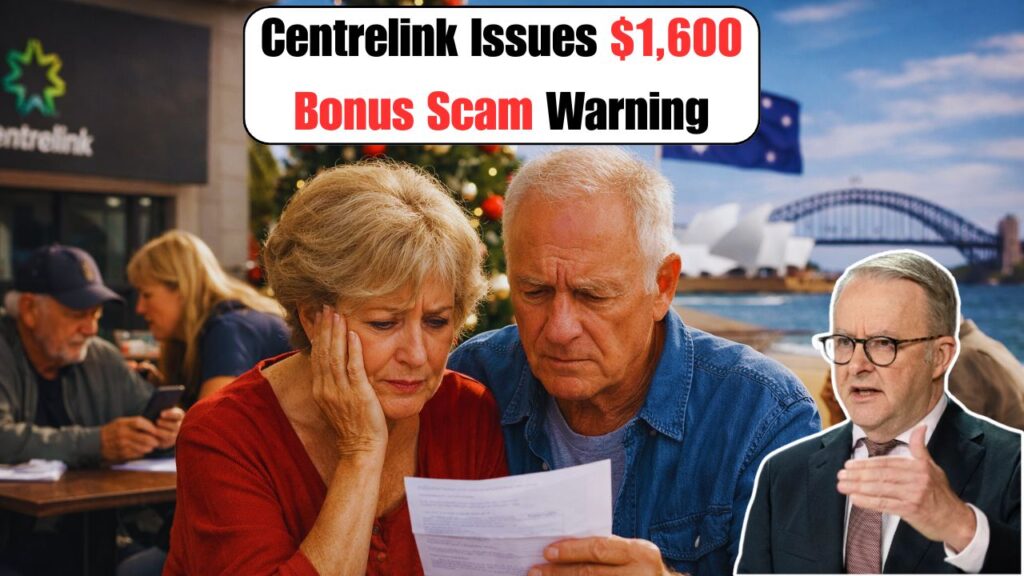
Centrelink has issued a warning specifically targeting Australian seniors after a surge in fake messages claiming a $1,600 Christmas bonus. Older recipients are being asked to provide banking details or click suspicious links, which could lead to identity theft or financial loss. Seniors should verify any communication directly through official Centrelink channels rather than trusting emails, social media, or text messages that promise holiday payouts. Staying informed about common scam tactics helps protect individuals and families from falling victim, ensuring that legitimate support continues safely.

Fraud Warnings Across Australia’s Senior Community
Authorities across Australia are urging older residents to be vigilant against these holiday scams. Fraudsters often target senior citizens using realistic-looking messages that mimic official government communication. These scams exploit the goodwill and trust of the older population, creating stress and confusion during the festive season. By checking official Centrelink notices, Australian seniors can confirm genuine payment schedules, avoiding the temptation to respond to unverified offers. Awareness campaigns and community support programs are actively helping to educate seniors about how to safely manage communications and protect their finances during peak scam periods.

| Scam Type | Description | Action |
|---|---|---|
| Fake SMS | Messages claiming $1,600 Christmas bonus | Ignore and report to Scamwatch |
| Phishing Email | Emails requesting banking details | Do not click links; verify with Centrelink |
| Impersonation Call | Call from someone claiming to be Centrelink staff | Hang up and call official Centrelink number |
| Social Media Scams | Posts offering holiday payouts | Report and block suspicious accounts |
Protecting Older Australians from Holiday Payment Scams
Older Australians are advised to remain cautious when receiving any unexpected communication claiming financial benefits. Centrelink payments are never issued through unofficial channels, and seniors should regularly check their account statements and official correspondence. Encouraging family members to discuss potential scams and confirm messages before acting helps reduce risk. By staying informed and proactive, senior citizens can enjoy the festive season without falling victim to holiday fraud attempts.
Official Centrelink Verification Steps for Seniors
Seniors in Australia can follow simple verification steps to ensure the authenticity of Centrelink communications. Always access information through the official website or the myGov portal linked to Centrelink. Avoid sharing personal or financial details over phone calls or emails. If in doubt, contact Centrelink directly using verified numbers to confirm payment information. Educating older Australians about these steps builds confidence in handling messages and helps prevent losses from increasingly sophisticated scams.
Frequently Asked Questions (FAQs)

1. How can I identify a Centrelink scam message?
Look for unusual requests for personal information, spelling errors, and unsolicited links or calls.
2. What should I do if I receive a fake payment notice?
Do not respond; report it to Scamwatch and contact Centrelink for verification.
3. Are Centrelink Christmas bonuses legitimate?
Centrelink does not issue unadvertised holiday bonuses; all payments are officially communicated.
4. How can family members help protect seniors from scams?
They can educate older relatives, verify messages, and encourage direct contact with Centrelink.