
Across Australia, driver licensing rules are evolving as the population ages and road safety expectations rise. In 2025, a new testing framework aims to help seniors stay behind the wheel longer—without compromising safety. For drivers aged 65 and over, the focus is shifting from automatic age limits to practical capability. Instead of blanket restrictions, authorities are emphasising health checks, vision standards, and real-world driving ability. This approach recognises that many older Australians remain safe, confident drivers and deserve fair, evidence-based pathways to keep their licences.
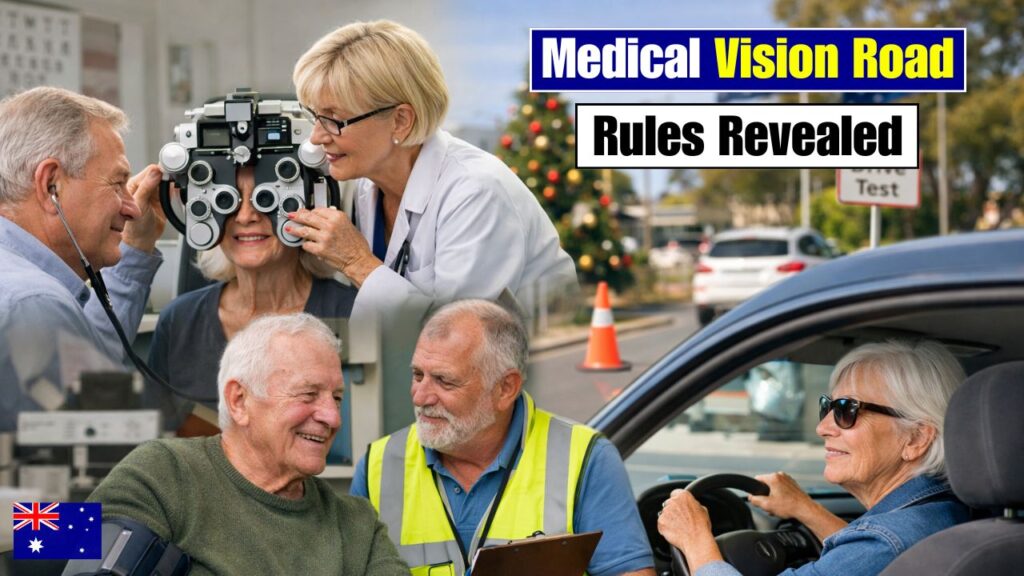
New Over-65 Driver Licence Tests in 2025
The 2025 update introduces a more personalised system for senior drivers, replacing outdated assumptions with targeted evaluations. Rather than losing a licence simply due to age, drivers will now face medical clearance requirements based on individual health. Doctors play a central role, reviewing conditions that may affect driving while avoiding unnecessary restrictions. These driver fitness checks are designed to be practical and respectful, ensuring capable seniors aren’t sidelined. By focusing on age-based assessments instead of rigid cut-offs, the new licence renewal path aims to balance safety with independence for older Australians.


 Over-70 Aussie Drivers: Licence Rules Changing from 31 December 2025 - What Seniors Need to Do
Vision and Health Rules for Senior Drivers
Clear eyesight remains one of the strongest predictors of safe driving, which is why vision testing is central to the 2025 rules. Seniors renewing their licences may undergo vision screening to confirm they can read signs, judge distances, and detect hazards. These checks are paired with basic health reviews that consider alertness and reaction time. The goal isn’t perfection, but consistent awareness and road hazard awareness. By setting realistic eyesight standards, authorities aim to keep roads safe while recognising that many age-related changes can be managed with glasses or treatment.
On-Road Assessments for Drivers Aged 65+
For some seniors, an on-road evaluation may be required to demonstrate real driving ability. Unlike written tests, these assessments observe behaviour in real traffic conditions, such as intersections, lane changes, and speed control. Importantly, the focus is supportive rather than punitive, helping drivers identify areas to improve. Many older motorists find that passing such tests boosts driving confidence and reassures family members. By prioritising safe mobility, the system allows capable seniors to continue driving while addressing genuine risks early.
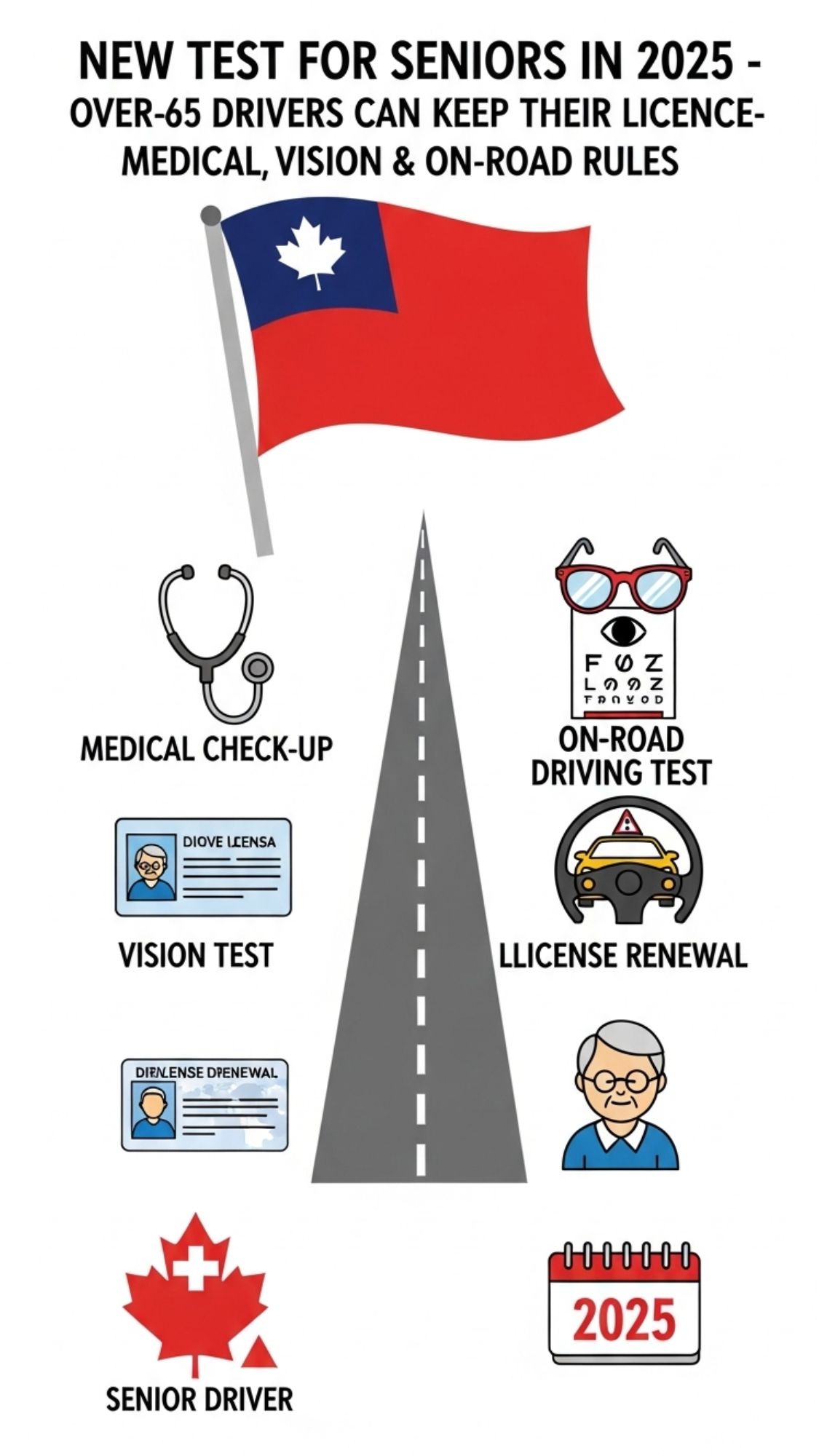
What This Means for Older Australian Drivers
Overall, the 2025 reforms signal a shift toward fairness and practicality. Instead of treating age as a limitation, the system adopts a balanced safety approach that values skill and health. This supports independent ageing, allowing seniors to remain active in their communities. By relying on evidence-based rules, authorities reduce unnecessary licence loss while still protecting the public. For families and drivers alike, early awareness and future mobility planning can make the transition smoother and far less stressful.
 Centrelink Age Pension and Super Rules Align from December 31 – Here’s What It Means for You
| Requirement | Who It Applies To | When Required | Purpose |
|---|---|---|---|
| Medical assessment | Drivers 65+ | At licence renewal | Confirm health fitness |
| Vision test | Drivers with eyesight concerns | As requested | Ensure clear vision |
| On-road test | Selected senior drivers | If recommended | Assess real driving skills |
| Conditional licence | Drivers with limits | After assessment | Allow safe continued driving |
Frequently Asked Questions (FAQs)
1. Do all drivers over 65 need an on-road test?
No, on-road tests are only required if recommended after medical or vision checks.
2. Can seniors still keep their licence in 2025?
Yes, capable drivers can keep their licence by meeting health and safety requirements.
3. Are these rules the same across Australia?
Core principles are similar, but exact requirements vary by state and territory.
4. What happens if a driver doesn’t meet the standards?
They may receive a conditional licence or guidance on alternative transport options.

