Australia’s migration system is entering a tighter phase as the skilled visa income threshold rises in 2025, reshaping who qualifies to live and work in the country. The change is designed to better reflect modern wages and protect local labour standards, but it could also affect thousands of hopeful migrants and sponsoring employers. From IT specialists to healthcare workers, many applicants now need to reassess their eligibility, salary offers, and timelines. Understanding how the new threshold works is crucial for planning your next steps and avoiding costly surprises.
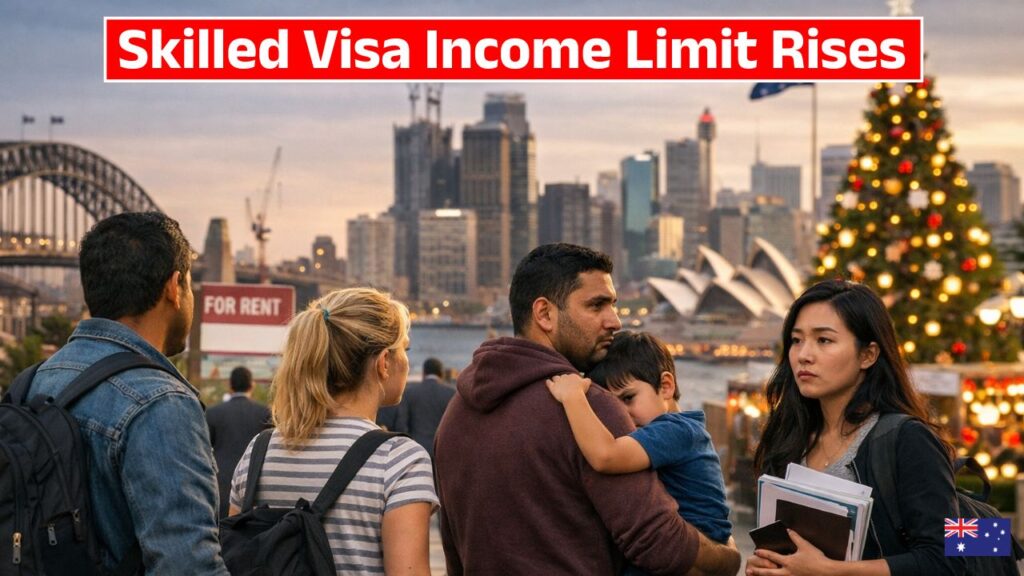
Skilled visa income threshold increase explained for 2025
The 2025 update lifts the minimum income level required for most skilled visas, directly linking migration eligibility to stronger earnings. Australian authorities argue this ensures migrants are paid fairly and not undercutting local workers. For applicants, this means job offers must meet the revised benchmark, not just industry averages. Many temporary residents are now reviewing contracts to ensure compliance, especially those close to renewal. The policy highlights minimum salary rules, reinforces wage protection goals, signals policy tightening ahead, and reflects labour market reset priorities shaping Australia’s migration landscape.
 One-Time $780 Centrelink Relief for Pensioners in 2025 – Full List of Eligible Recipients Released

How new skilled visa rules affect migrants and employers
For migrants, the higher threshold can change everything from visa choice to long-term settlement plans. Some roles that once qualified may now fall short, pushing applicants to negotiate pay rises or seek alternative pathways. Employers also face adjustments, as sponsorship costs rise and workforce planning becomes more complex. Smaller businesses may feel the pressure most, while larger firms adapt faster. The shift emphasises employer sponsorship costs, highlights contract renegotiation risks, introduces tighter compliance checks, and creates planning challenges ahead for both sides of the migration equation.

Why Australia raised the skilled migration income level
The government frames the increase as a fairness and sustainability measure rather than a restriction. By aligning visa salaries with real wages, Australia aims to attract genuinely skilled talent while discouraging exploitation. The move also responds to inflation and cost-of-living pressures faced by residents nationwide. Officials believe higher thresholds encourage quality over quantity in migration. This approach supports fair pay alignment, addresses inflation pressure response, strengthens migration integrity focus, and underpins a broader long-term workforce strategy for the country.
What this change means for future migration plans
Looking ahead, the 2025 income threshold rise signals a more selective migration system where preparation matters more than ever. Prospective migrants should review salary benchmarks early, while current visa holders need to monitor renewal requirements closely. Professional advice and proactive planning can make the difference between success and refusal. Overall, the change delivers clearer eligibility signals, demands early financial planning, encourages skills-driven migration, and sets higher entry standards that will shape Australia’s skilled workforce for years.
| Category | Before 2025 | From 2025 |
|---|---|---|
| Skilled Visa Income Threshold | AUD 70,000 | AUD 75,000 |
| Applies To | New applicants | New & renewing visas |
| Employer Requirement | Market salary test | Revised salary benchmark |
| Main Impact | Broader eligibility | Stricter qualification |
Frequently Asked Questions (FAQs)
1. What is the skilled visa income threshold in 2025?
It is the new minimum salary level applicants must meet to qualify for most skilled visas.

2. Does the change affect current visa holders?
It can affect renewals if existing salaries do not meet the updated threshold.
3. Are all skilled visas impacted by this rule?
Most employer-sponsored skilled visas are covered, though some exemptions may apply.
4. What should migrants do next?
Review job offers, check eligibility early, and seek professional migration advice.